Table of Contents
Winter Driving Hazards in WV — Winter in West Virginia brings beautiful scenery—but it also creates some of the most dangerous driving conditions of the year. Snow, ice, freezing rain, and reduced visibility all contribute to a sharp increase in accidents during the colder months.
Understanding the most common winter driving hazards in WV and knowing how to respond after a crash can help protect your safety and your legal rights.
Common Winter Driving Hazards in West Virginia
Black Ice
One of the most dangerous hazards on West Virginia roads, black ice is nearly invisible and often forms on bridges, overpasses, and shaded areas. Drivers may not realize they’ve hit ice until they’ve already lost control.
Snow-Covered Roads
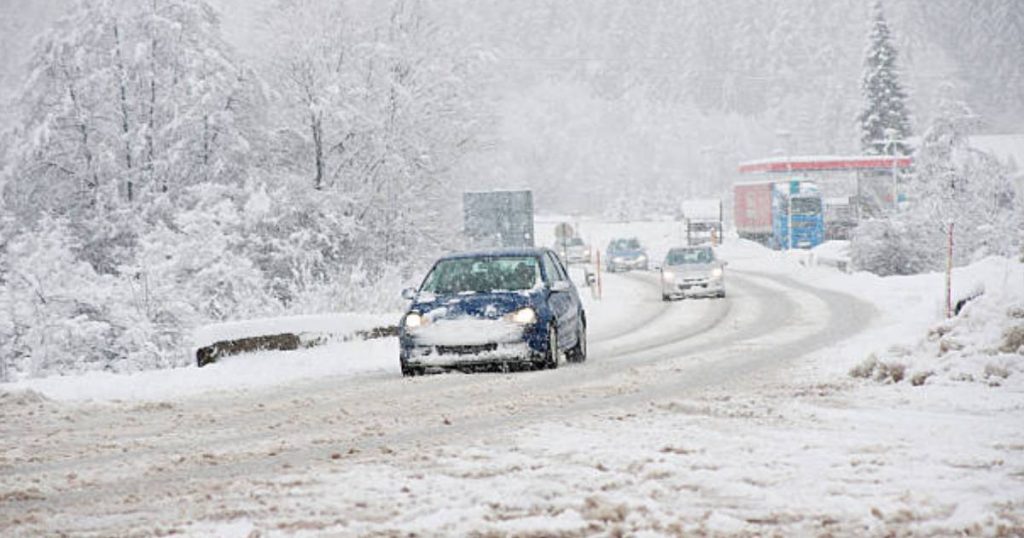
Packed snow reduces tire traction, increases stopping distance, and makes steering more difficult. Even experienced drivers can lose control quickly.
Freezing Rain and Slush
Freezing rain creates slick surfaces, while slush can cause vehicles to hydroplane or drift between lanes.
Reduced Visibility
Snowfall, fog, and early winter darkness limit visibility and increase reaction time.
Mountain Roads and Curves
West Virginia’s terrain adds another layer of danger. Sharp curves, steep grades, and narrow roads increase the likelihood of winter crashes.
How to Stay Safe While Driving in Winter Conditions
Preventing an accident starts with preparation and awareness.
Prepare Your Vehicle
- Check tires and ensure proper tread depth
- Maintain proper tire pressure
- Inspect brakes, battery, and fluids
- Keep windshield wipers and defrosters working properly
Adjust Your Driving Habits
- Reduce speed significantly
- Increase following distance
- Avoid sudden braking or sharp turns
- Use headlights in low visibility
- Stay alert for icy patches
Plan Ahead
- Monitor weather conditions before traveling
- Avoid unnecessary trips during severe weather
- Allow extra time for travel
Even the safest drivers can still be involved in accidents when road conditions deteriorate.
Why Winter Accidents Are More Complicated
Winter crashes often involve multiple contributing factors, including:
- Road conditions
- Driver behavior
- Vehicle maintenance
- Visibility issues
Insurance companies may argue that bad weather—not driver negligence—caused the accident. However, drivers are still expected to operate their vehicles safely given the conditions.
Failing to slow down or adjust driving behavior can still result in liability.
Common Types of Winter Car Accidents in WV
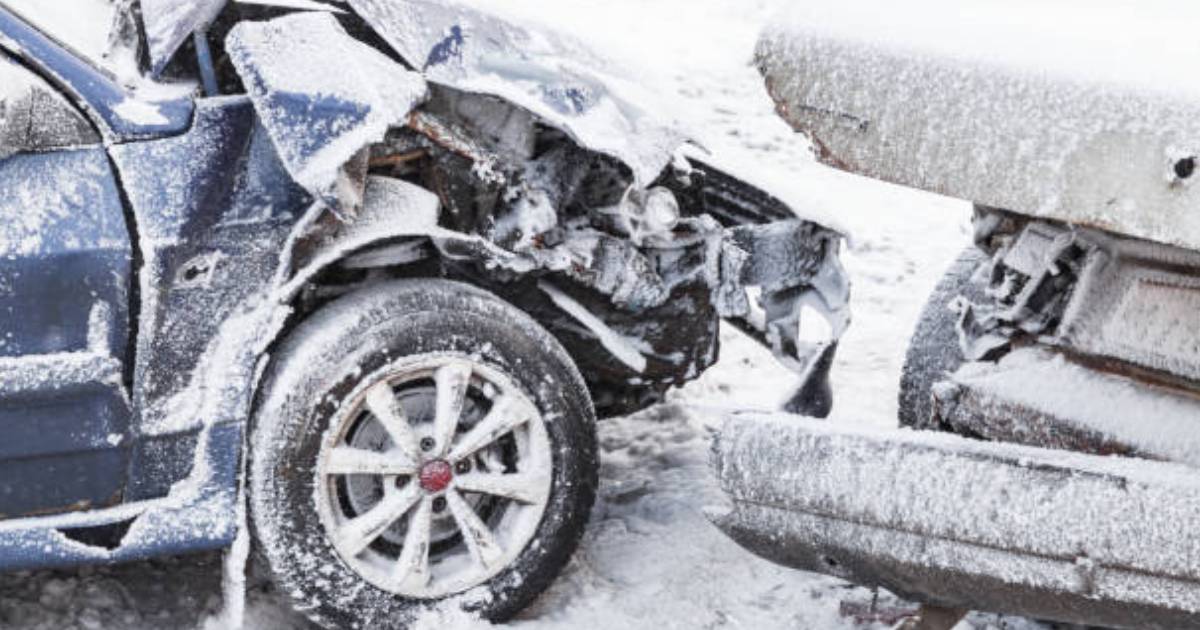
- Rear-end collisions due to longer stopping distances
- Multi-vehicle pileups on highways
- Vehicles sliding off the road
- Intersection crashes caused by inability to stop
- Head-on collisions on narrow or curved roads
These accidents can result in serious injuries, especially at higher speeds or in multi-vehicle situations.
What to Do After a Winter Car Accident in WV
If you’re involved in a crash during winter conditions, taking the right steps is critical.
1. Check for Injuries and Call 911
Ensure everyone is safe and request medical assistance if needed.
2. Move to Safety (If Possible)
If the vehicle is drivable, move it out of traffic to prevent additional collisions.
3. Document the Scene
Take photos of:
- Vehicle damage
- Road conditions (ice, snow, slush)
- Traffic signs and surroundings
- Weather conditions
This evidence is especially important in winter accident claims.
4. Gather Information
Exchange contact and insurance information with other drivers and collect witness details if available.
5. Seek Medical Attention
Even if injuries seem minor, get evaluated by a medical professional. Symptoms may appear later.
6. Avoid Speaking to Insurance Adjusters Without Guidance
Insurance companies may attempt to blame weather conditions rather than driver negligence.
Who Is Liable in a Winter Accident?
Many drivers assume that bad weather eliminates liability—but that’s not true.
In West Virginia:
- Drivers must adjust their speed and behavior to road conditions
- Failure to do so can result in fault
- Comparative negligence rules may apply
Even in snow or ice, a driver can still be held responsible for causing an accident.
How a WV Car Accident Lawyer Can Help
Winter accident claims can become complicated quickly. An experienced attorney can:
- Investigate the crash and gather evidence
- Prove negligence despite weather conditions
- Work with accident reconstruction experts
- Handle insurance negotiations
- Pursue full compensation for injuries and damages
Legal representation ensures your claim is not unfairly reduced due to weather-related arguments.
Compensation After a Winter Car Accident
Victims may be entitled to compensation for:
- Medical expenses
- Lost wages
- Pain and suffering
- Property damage
- Long-term care or rehabilitation
Because winter accidents often involve serious injuries, the value of these claims can be significant.
Final Thoughts
Winter driving hazards in WV create dangerous conditions that lead to serious accidents every year. While snow and ice play a role, drivers are still responsible for operating their vehicles safely.
Understanding how to stay safe and knowing what to do after a crash can protect both your well-being and your legal rights.
If you’ve been injured in a winter accident, taking immediate action and seeking legal guidance can help ensure you receive the compensation you deserve.
Read More: Explore our guides on What to Do After a Car Accident in Huntington, West Virginia in 2026 and Tri-State Personal Injury: What You Need to Know After an Accident to learn more about protecting your recovery after a serious collision. You can also connect with us on Social Media (click here).