Table of Contents
Car accidents in the Tri-State region often involve drivers crossing state lines between West Virginia and Ohio, especially around Huntington and surrounding river crossings. When a crash happens across borders, understanding how West Virginia vs Ohio car accident laws differ becomes critical. These legal differences can directly affect fault, compensation, deadlines, and where a claim must be filed.
This guide explains the key differences between West Virginia and Ohio car accident laws, why Tri-State crashes are legally complex, and what accident victims need to know before dealing with insurance companies or filing a claim.
Why Tri-State Car Accidents Are Legally Complicated
Tri-State crashes are common due to:
- Daily commuting across state lines
- Commercial trucking routes
- Interstate highways and river crossings
- Out-of-state drivers unfamiliar with local traffic patterns
When an accident involves drivers from different states, multiple laws may apply, including:
- Which state’s fault rules control the case
- Where a lawsuit must be filed
- Which insurance policy applies
- What deadlines govern the claim
These factors make Tri-State car accidents more complex than standard in-state crashes.
Fault Rules: West Virginia vs. Ohio
West Virginia Car Accident Fault Rules
West Virginia follows a modified comparative negligence system. Under WV law:
- You may recover compensation if you are 50% or less at fault
- Your recovery is reduced by your percentage of fault
- If you are found more than 50% responsible, you cannot recover damages
This system often leads to aggressive insurance tactics aimed at shifting blame onto injured drivers.
Ohio Car Accident Fault Rules
Ohio also uses a modified comparative negligence rule, but with important procedural differences:
- Recovery is allowed only if you are less than 51% at fault
- Compensation is reduced proportionally
- Insurance carriers in Ohio often rely heavily on recorded statements and early fault determinations
In Tri-State crashes, insurers may dispute which state’s fault standard applies, making early legal guidance critical.
Differences in Insurance Requirements
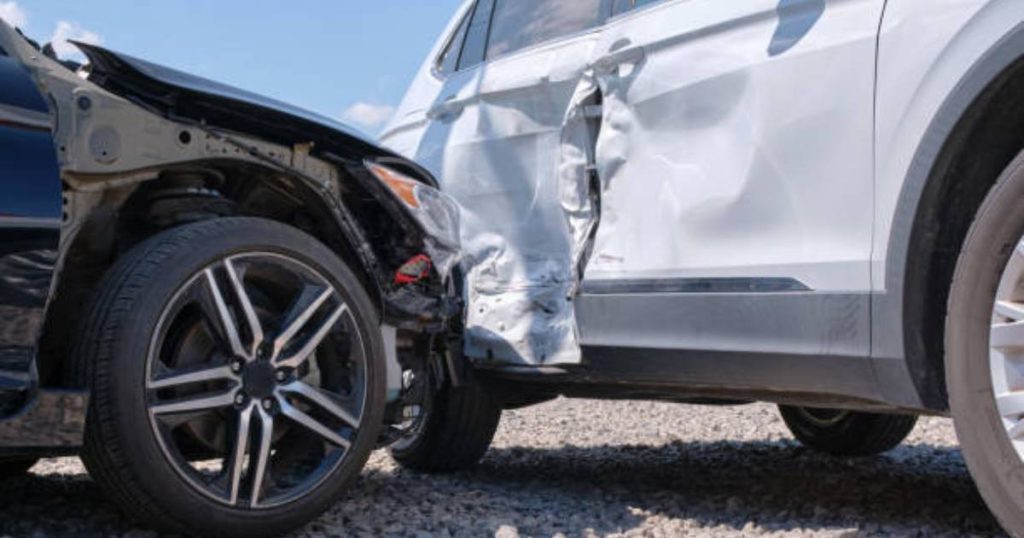
Insurance coverage requirements differ between West Virginia and Ohio, which can impact available compensation after a crash.
West Virginia Insurance Basics
- Mandatory liability coverage
- Strong reliance on fault-based claims
- Uninsured and underinsured motorist coverage often plays a key role
Ohio Insurance Basics
- Fault-based system
- Mandatory liability limits
- UM/UIM coverage must be offered but can be rejected
In Tri-State accidents, determining which policy applies first can be complicated—especially if vehicles, drivers, and insurers are based in different states.
Filing Claims in the Correct State
One of the most important questions after a Tri-State crash is:
Where should the claim be filed?
That decision may depend on:
- Where the accident occurred
- Where the at-fault driver resides
- Where the vehicles are insured
- Where medical treatment occurred
Filing in the wrong jurisdiction can:
- Delay your case
- Reduce available damages
- Risk dismissal due to improper venue
This is especially important for crashes involving Huntington WV drivers injured in Ohio or Ohio drivers hurt while traveling through West Virginia.
Statute of Limitations Differences
Timing matters in every car accident claim.
- West Virginia generally allows two years from the date of the accident to file a personal injury lawsuit
- Ohio also typically allows two years, but procedural requirements and tolling rules can differ
In Tri-State crashes, determining which statute applies is not always straightforward. Missing the correct deadline can permanently bar recovery.
How Insurance Companies Use Cross-State Confusion Against Victims
Insurance companies often exploit Tri-State complexity by:
- Delaying claims while disputing jurisdiction
- Shifting blame across state lines
- Applying unfavorable laws when possible
- Pressuring victims into early settlements before legal issues are resolved
Without a clear understanding of West Virginia vs. Ohio car accident laws, accident victims may unknowingly accept less than their claim is worth.
How Lawyers Handle Tri-State Accident Cases
Experienced Tri-State car accident attorneys focus on:
- Determining the controlling state law early
- Preserving evidence before jurisdiction disputes arise
- Coordinating insurance coverage across states
- Filing claims in the venue that maximizes recovery
- Preventing insurers from forum shopping or delay tactics
For Huntington-area accident victims, this often means protecting WV rights while navigating Ohio insurance and liability issues.
Why This Matters for Huntington and Tri-State Drivers
Huntington sits at the center of constant cross-border traffic. Accidents here are rarely simple, especially when:
- One driver lives in Ohio
- Another is insured in West Virginia
- The crash occurs near a state line or bridge
Understanding how West Virginia vs. Ohio car accident laws differ ensures injured drivers are not disadvantaged simply because an accident crossed a border.
Final Thoughts
Tri-State car accidents require more than basic accident knowledge. Differences between West Virginia and Ohio car accident laws can determine fault, compensation, and whether a claim succeeds at all.
If you were injured in a crash involving drivers or vehicles from multiple states, learning how these laws interact is essential to protecting your rights and pursuing full compensation.
Read More: Explore our guides on What to Do After a Car Accident in Huntington, West Virginia in 2026 and Tri-State Personal Injury: What You Need to Know After an Accident to learn more about protecting your recovery after a serious collision. You can also connect with us on Social Media (click here).
Your Recovery Matters — We’re Here to Help
If you or a loved one suffered a personal injury, don’t wait to get legal guidance. The sooner an attorney steps in, the better we can preserve evidence and protect your rights.
📞 Free Consultation — No Fees Unless We Win
Woelfel & Woelfel LLP — Advocates for Personal Injury Rights in Huntington, WV