Table of Contents
Truck accidents on major Tri-State corridors like Interstate 64 (I-64) and U.S. Route 60 are more than collisions — Truck Accidents on I-64 & Route 60 — Why Claims Are More Complex are often highly complex legal events. Because of the size and weight of commercial vehicles, the strict federal (FMCSA) and state trucking regulations involved, and the number of responsible parties, pursuing a truck accident claim is almost never simple.
This guide explains why truck accidents on I-64 & Route 60 are legally complicated, what separates them from standard car crash claims, and why victims need experienced legal representation to pursue fair compensation.
Why Truck Crashes Demand More Than a Typical Car Accident Claim
1. Federal Trucking Regulations Apply
Unlike most car accidents, truck collisions are governed by federal laws — primarily FMCSA safety rules, including:
- Hours of Service (HOS) limits
- Driver qualification files
- Electronic Logging Device (ELD) data
- Mandatory maintenance logs
- Cargo securement requirements
Violations of these rules often cause or contribute to accidents. Determining whether regulations were violated requires experienced investigation.
Multiple Liable Parties Increase Complexity
In car accidents, fault often lies with one driver. But in truck accidents on I-64 & Route 60, potential defendants may include:
- The truck driver
- The trucking company
- Lease or motor carrier
- Cargo loaders or shippers
- Maintenance or parts manufacturers
- Third-party contractors
Assigning liability requires in-depth legal strategy and coordination between insurance carriers — which is why complex truck crash claims are not handled the same as simple car collisions.
Commercial Insurance Structures Complicate Claims
Truck insurance policies are completely different from personal auto insurance:
- Higher liability limits (often $1M+)
- Multiple layers of coverage
- Umbrella and excess policies
- Federal compliance clauses
Commercial carriers are big business and often employ teams of defense attorneys who know how to minimize payouts and delay claims. Without a skilled truck accident attorney, injured victims may be systematically undervalued.
Evidence Gathering Is More Technical
Truck accidents often require specialized evidence:
- Black box data (ECM) from the truck
- ELD logs
- Maintenance and inspection reports
- GPS and dispatch records
- Expert reconstruction testimony
- Cargo manifests and load data
Preserving this evidence early is critical — and federal rules often require immediate action to prevent crucial data loss.
Federal and State Liability Standards Diverge
Because trucking accidents may involve:
- Federal trucking statutes
- State negligence laws
- Multiple insurance jurisdictions
… establishing liability often requires legal coordination across:
- Federal standards
- West Virginia specific statutes
- Ohio or Kentucky regulations (for cross-border crashes)
This overlap makes Tri-State truck accident claims more legally nuanced than car accident claims.
Unique Risks of Truck Accidents on I-64 & Route 60
Major corridors like I-64 and Route 60 have traffic and risk factors that amplify complexity:
Heavy Commercial Traffic
Coal, lumber, freight, and logistical transport vehicles dominate these roads, especially around Huntington, Barboursville, and Tri-State interchanges.
High-Speed Travel
Highway speeds mean:
- More impact force
- Greater vehicle momentum
- Larger crash debris fields
- Greater injury potential
Multivehicle Chain Collisions
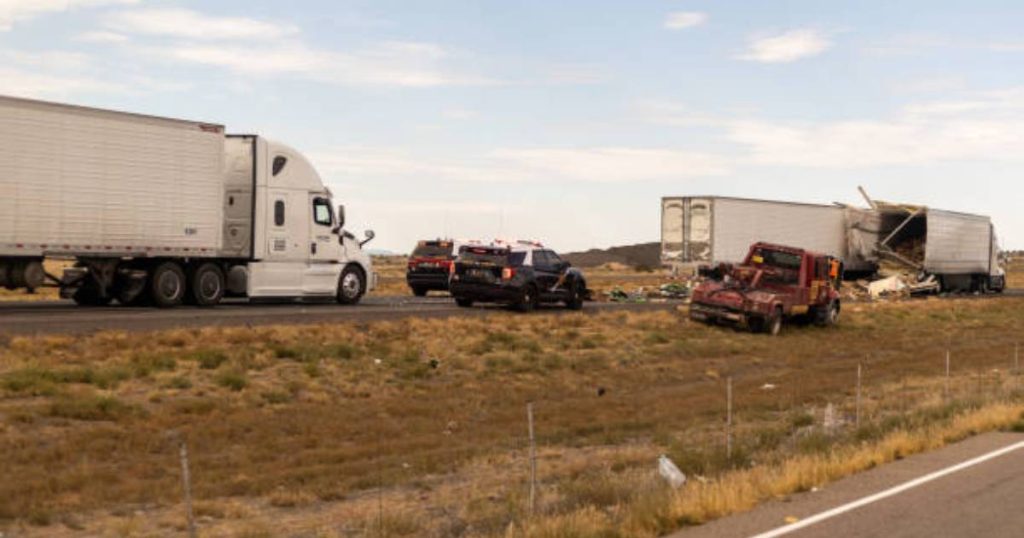
A single truck crash often triggers secondary collisions involving multiple cars — complicating fault and evidence.
Why Insurance Companies Fight Harder in Truck Claims
Insurance companies know that:
- Truck accident payouts are often sizable
- Federal regulations can favor plaintiffs
- Evidence can paint a clear violation narrative
- Juries are sympathetic to catastrophic injury cases
For that reason, big carriers slow-walk investigations, push lowball offers, question injury causation, and sometimes outright deny valid claims.
A seasoned truck accident lawyer anticipates these tactics and responds effectively.
How a Truck Accident Lawyer Helps
An experienced Truck Accidents on I-64 & Route 60 attorney can:
- Preserve crucial electronic and physical evidence
- Quickly subpoena driver logs and maintenance records
- Consult accident reconstruction and industry experts
- Handle all communication with commercial insurers
- Identify all liable parties and coverage layers
- Prepare the case for settlement or trial
This level of legal work isn’t required in most car crash claims — which is why truck accidents are inherently more complex.
Compensation Possibilities in Truck Accident Claims
Victims in truck crashes may be eligible for:
- Medical expenses (past + future)
- Lost income and reduced earning capacity
- Pain and suffering
- Permanent disability
- Property damage
- Funeral costs (in wrongful death cases)
- Punitive damages (for egregious conduct)
Comprehensive valuation often requires legal help — insurers rarely offer full value without pressure.
Final Thoughts
If you’ve been injured in one of the many heavy vehicle collisions along I-64 or Route 60, understand this:
Truck accident claims are fundamentally different from car crash cases. They involve federal rules, multiple defendants, sophisticated evidence, and powerful insurance companies. Without experienced legal guidance, even a seemingly clear case can deliver a poor outcome.
For victims in West Virginia, Ohio, and the broader Tri-State area, having a strong legal advocate changes everything — from preserving crucial evidence to securing the compensation you deserve.
Read More: Explore our guides on What to Do After a Car Accident in Huntington, West Virginia in 2026 and Tri-State Personal Injury: What You Need to Know After an Accident to learn more about protecting your recovery after a serious collision. You can also connect with us on Social Media (click here).