Table of Contents
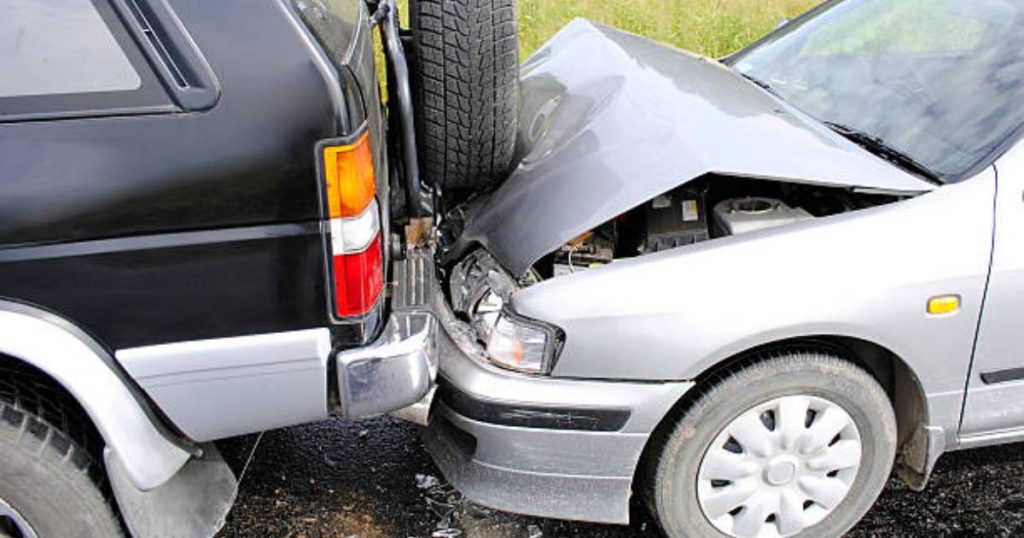
Rear-end crashes happen fast—and they happen often. Whether it’s a sudden stop on 5th Avenue, a collision in downtown traffic, or a chain-reaction crash near I-64, rear-end accidents in Huntington can leave victims dealing with painful injuries, car repairs, missed work, and stressful insurance calls.
Many people assume the rear driver is automatically at fault in every rear-end collision. Under West Virginia law, that’s usually true—but there are important exceptions. This article breaks down who’s at fault in a rear-end accidents in Huntington under WV law, what evidence matters most, and what you should do after a crash to protect your claim.
Why Rear-End Accidents in Huntington Are So Common
Huntington is a high-traffic area with congested intersections, frequent stop-and-go zones, and commuter corridors that increase crash risk. Rear-end accidents are especially common due to:
- distracted driving (texting / phone use)
- tailgating
- sudden stops in traffic
- speeding in heavy traffic zones
- poor weather conditions like rain, snow, and fog
- driver fatigue (especially late-night or commuting crashes)
Because rear-end collisions usually involve a driver failing to stop in time, they are often treated as clear-liability crashes—but WV law still requires proof.
Who Is at Fault in a Rear-End Accidents in Huntington West Virginia?
In most cases, the rear driver is presumed at fault because they have a legal duty to maintain a safe following distance and remain alert. The logic is simple:
If the front car stopped, the rear driver should have had enough time and distance to stop safely.
That said, WV law recognizes situations where the front driver—or another party—may be partially or fully responsible.
West Virginia Rear-End Crash Fault: The Legal Rule
West Virginia follows a modified comparative negligence rule (often described as the “50% rule”).
That means:
- You can recover damages as long as you are 50% or less at fault
- If you are 51%+ at fault, you cannot recover compensation
- Any compensation you receive is reduced by your percentage of fault
Example
If your damages total $100,000 and you’re found 20% at fault, your final recovery may be reduced to $80,000.
This matters because insurance companies often try to blame victims in rear-end collisions to reduce payout—especially when the injuries are expensive.
When the Front Driver Could Be at Fault (or Partially at Fault)
While most rear-end accidents in Huntington involve a negligent rear driver, there are exceptions that can shift fault:
1) Sudden Stop With No Reason
If the front driver brakes hard without a legitimate reason (no traffic, no hazard), they may share responsibility.
2) Brake Lights Not Working
A driver with broken or non-functioning brake lights can be partially liable—because they failed to warn the driver behind them.
3) Cutting Off Another Vehicle
If the front vehicle makes an unsafe lane change or merges abruptly and causes a crash, fault may be shared.
4) Reversing Into Another Vehicle
It sounds crazy—but it happens. If a driver reverses unexpectedly and causes impact, the “rear driver” may not be at fault.
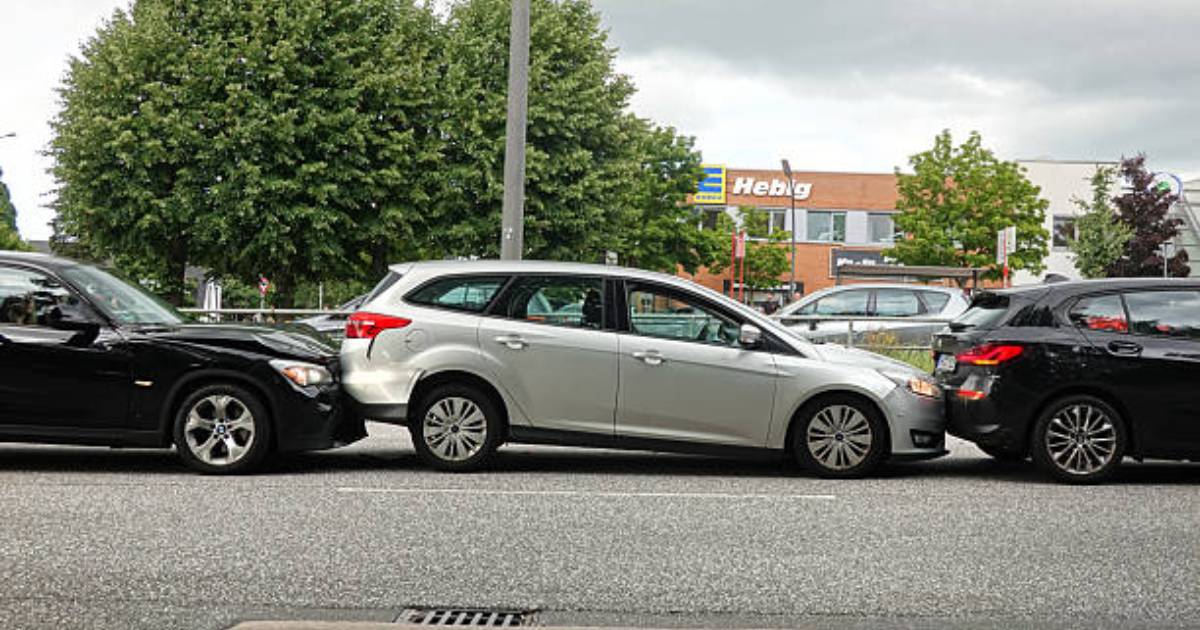
5) Multi-Vehicle Chain Collisions
If multiple cars are involved, fault may spread across:
- several drivers
- the first driver who triggered the chain reaction
- a distracted driver who hit the line of cars
These are common around intersections and high-speed stop zones.
What Evidence Proves Fault in Huntington WV Rear-End Accidents?
Fault is not decided by opinions—it’s decided by evidence. Strong evidence can shut down insurance arguments fast.
Common proof includes:
- police crash report
- photos of vehicle damage and road position
- witness statements
- dash cam footage
- traffic camera footage
- scene measurements / skid marks
- medical records documenting injury onset
- repair estimates
- cell phone records (in distracted driving cases)
A Huntington WV car accident attorney can help preserve evidence quickly—especially if a business camera or intersection recording exists.
Common Injuries in Rear-End Collisions
Rear-end accidents may look minor but frequently cause serious injury. Common injuries include:
- whiplash / cervical strain
- herniated discs
- back injuries and chronic pain
- concussions / traumatic brain injury
- shoulder and knee injuries from bracing
- nerve damage
- aggravation of pre-existing conditions
Insurance companies often argue:
“It was a low-impact crash — injuries can’t be that bad.”
That is not medically accurate, and it’s one of the most common claim-denial tactics.
What to Do After a Rear-End Accident in Huntington
Here’s what accident victims should do immediately:
🧾 1) Call 911 and get a police report
Don’t skip the report even if the crash seems minor.
📷 2) Take photos and video
Capture:
- license plates
- damage close-up and wide shots
- intersections and skid marks
- weather conditions
✔️ 3) Get witness info
Witnesses often prevent “he-said/she-said” disputes.
🩺 4) Seek medical attention ASAP
Delays give insurance companies ammunition to deny injury claims.
🛑 5) Don’t give recorded statements
Especially to the other driver’s insurance company. They’re not calling to help you.
How a Huntington WV Rear-End Accident Lawyer Helps
A rear-end crash case can still get complicated fast—especially with injuries, disputes, or multiple vehicles.
An experienced attorney can:
- prove liability using evidence and expert analysis
- prevent unfair fault-shifting
- calculate the real value of your damages
- handle all insurance communication
- negotiate aggressively for a full settlement
- file a lawsuit if insurers refuse to be fair
Even when liability looks “obvious,” insurers still fight claims when the money is big.
Final Thoughts: Rear-End Accidents in Huntington Are Often Clear — But Not Always
Most rear-end crashes are caused by negligence: distraction, following too closely, speeding, or failure to pay attention. But under WV law, fault can still be contested—especially when injuries are serious and insurance money is on the line.
If you’ve been injured in a rear-end accident in Huntington, understanding WV comparative negligence and preserving evidence early can protect your right to recover compensation.
Read More: Explore our guides on What to Do After a Car Accident in Huntington, West Virginia in 2026 and Tri-State Personal Injury: What You Need to Know After an Accident to learn more about protecting your recovery after a serious collision. You can also connect with us on Social Media (click here).
Your Recovery Matters — We’re Here to Help
If you or a loved one suffered a personal injury, don’t wait to get legal guidance. The sooner an attorney steps in, the better we can preserve evidence and protect your rights.
📞 Free Consultation — No Fees Unless We Win
Woelfel & Woelfel LLP — Advocates for Personal Injury Rights in Huntington, WV