Table of Contents
After a Huntington collision, one driver may receive a ticket for speeding, following too closely, an unsafe lane movement or another traffic violation.
That often leads to an understandable assumption: the driver who received the citation must automatically be legally responsible for the personal injury claim.
West Virginia law is more nuanced.
A traffic citation can provide important information about the collision, but a traffic ticket does not by itself resolve every issue of civil fault in a West Virginia car accident.
Traffic Violations Can Be Important Evidence of Negligence
West Virginia has a long-established legal rule concerning statutory violations.
The Supreme Court of Appeals of West Virginia has explained that violation of a statute may constitute prima facie evidence of negligence, rather than automatic negligence per se. For the violation to support liability, it must also be a proximate cause of the plaintiff’s injury. West Virginia Courts
That’s an important distinction.
Suppose evidence establishes that a driver violated a traffic-safety statute. That violation may support the negligence case. But the claimant still must establish the necessary connection between the wrongful conduct, the crash and the resulting injuries.
Why the Citation Doesn’t Tell the Whole Story
The officer who responds to a Huntington accident often arrives after the collision.
The officer may investigate by examining the scene, speaking with drivers and witnesses and reviewing available physical evidence.
West Virginia law requires an investigating officer to prepare a crash report after qualifying crashes involving bodily injury, death or at least $1,000 in apparent property damage. The report is intended to contain information about the circumstances, conditions, people and vehicles involved. Federal Bureau of Investigation
But a personal injury case may uncover additional evidence later, including surveillance video, dashcam recordings, electronic vehicle information, additional witnesses, photographs, medical evidence or expert reconstruction.
A Ticket and Civil Liability Are Different Legal Questions
A traffic citation addresses an alleged violation of traffic law.
A personal injury action asks whether someone’s fault proximately caused another person’s injuries and damages.
West Virginia’s comparative-fault statutes then permit responsibility to be allocated among the people who contributed to those damages. Federal Bureau of Investigation
Consequently, even when one driver received a citation, another driver may still be assigned some percentage of fault if the evidence supports it.
What If Both Drivers Made Mistakes?
Consider an intersection collision where Driver A allegedly fails to yield but Driver B is also alleged to have been speeding.
A citation issued to Driver A does not necessarily erase evidence concerning Driver B’s conduct.
West Virginia’s comparative-fault system permits the factfinder to evaluate the conduct of everyone who proximately contributed to the damages and allocate fault accordingly. Federal Bureau of Investigation
That allocation can directly affect compensation.
Other Evidence That May Matter More Than the Ticket
An accident investigation should look beyond the citation.
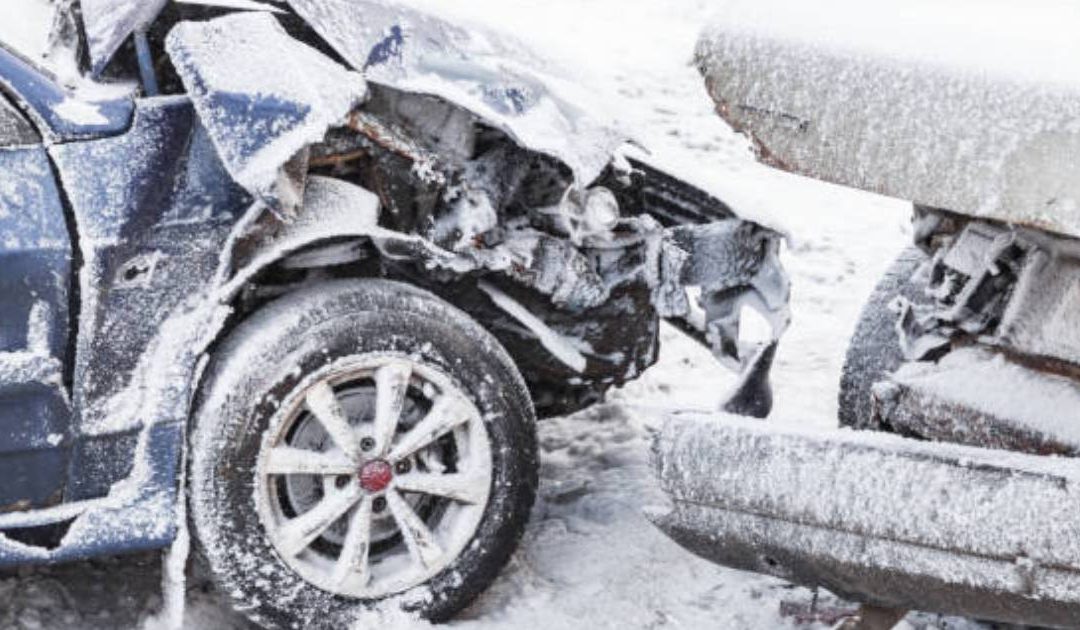
The location and pattern of vehicle damage may help explain the angle of impact. Video may show a traffic signal or vehicle movement. Witnesses may have observed events the responding officer did not. Electronic data can sometimes provide information about vehicle speed, braking or other inputs.
Medical evidence is then necessary to establish that the accident caused the injuries for which compensation is being sought.
In other words, proving a car accident claim involves much more than showing the insurance company a ticket.
West Virginia Drivers Also Have Reporting Obligations
Current West Virginia law requires immediate notice to law enforcement when a crash causes injury or death or apparent total property damage of $1,000 or more. Within a municipality such as Huntington, the statute directs notice to the local police department. Federal Bureau of Investigation
The investigating officer must also make owner, operator and insurance information available to the involved parties under the conditions specified by §17C-4-7. Federal Bureau of Investigation
Those records can become an early part of the broader investigation.
Building the Complete Case
Woelfel & Woelfel LLP represents people injured in vehicle accidents from its Huntington office. The firm’s stated approach includes gathering medical records, accident reports, witness statements and expert analysis when investigating accident claims. Woelfel Personal Injury
So, does a traffic ticket prove fault in a West Virginia car accident? It can be an important piece of the puzzle, particularly when the underlying conduct violated a safety law and caused the collision. But civil liability depends on the complete body of evidence—not merely which driver left the scene holding a citation.
Final Thoughts
Winter driving hazards in WV create dangerous conditions that lead to serious accidents every year. While snow and ice play a role, drivers are still responsible for operating their vehicles safely.
Understanding how to stay safe and knowing what to do after a crash can protect both your well-being and your legal rights.
If you’ve been injured in a winter accident, taking immediate action and seeking legal guidance can help ensure you receive the compensation you deserve.
Read More: Explore our guides on What to Do After a Car Accident in Huntington, West Virginia in 2026 and Tri-State Personal Injury: What You Need to Know After an Accident to learn more about protecting your recovery after a serious collision. You can also connect with us on Social Media (click here).